Prototype detector comparisons: scope, evidence and page analysis
Webpage checker · 24x7upnews.com
Prototype detector comparisons: scope, evidence and page analysis
Visit 24x7upnews.comRead the original long read ↗
Separating development progress, relative comparison and the evidence required for a defined acceptance decision.
Live HTML checked 16 October 2026 · HTTP 200 · English long read
HTML inspection
Page characteristics
Observed from the fetched public HTML. Counts cover the whole document unless labelled otherwise; article word count includes text within the first article element. These are page characteristics, not a ranking or performance score.
| HTTP status | 200 |
|---|---|
| Final response URL | https://24x7upnews.com/en/stories/perspectives-2024-03/ |
| Title tag | What a prototype detector comparison can actually establish — 24×7 UP NEWS |
| Title length | 74 characters |
| Meta description | Silicon-sensor trials for SKIF raise a practical question: how can a laboratory comparison become evidence that another team can use? |
| Description length | 133 characters |
| HTML language | en |
| Canonical URL | https://24x7upnews.com/en/stories/perspectives-2024-03/ |
| Meta robots | index,follow,max-image-preview:large |
| Viewport | width=device-width,initial-scale=1 |
| Heading counts | H1: 1 · H2: 18 · H3: 9 · H4: 0 · H5: 0 · H6: 0 |
| H1 text | What a prototype detector comparison can actually establish |
| Article element word count | 2,202 words |
| Whole-page image elements | 23 |
| Images with non-empty alt text | 23 |
| Whole-page links | 53 |
| External link elements | 19 |
| Response HTML size | 33,596 bytes (UTF-8 snapshot) |
Article overview
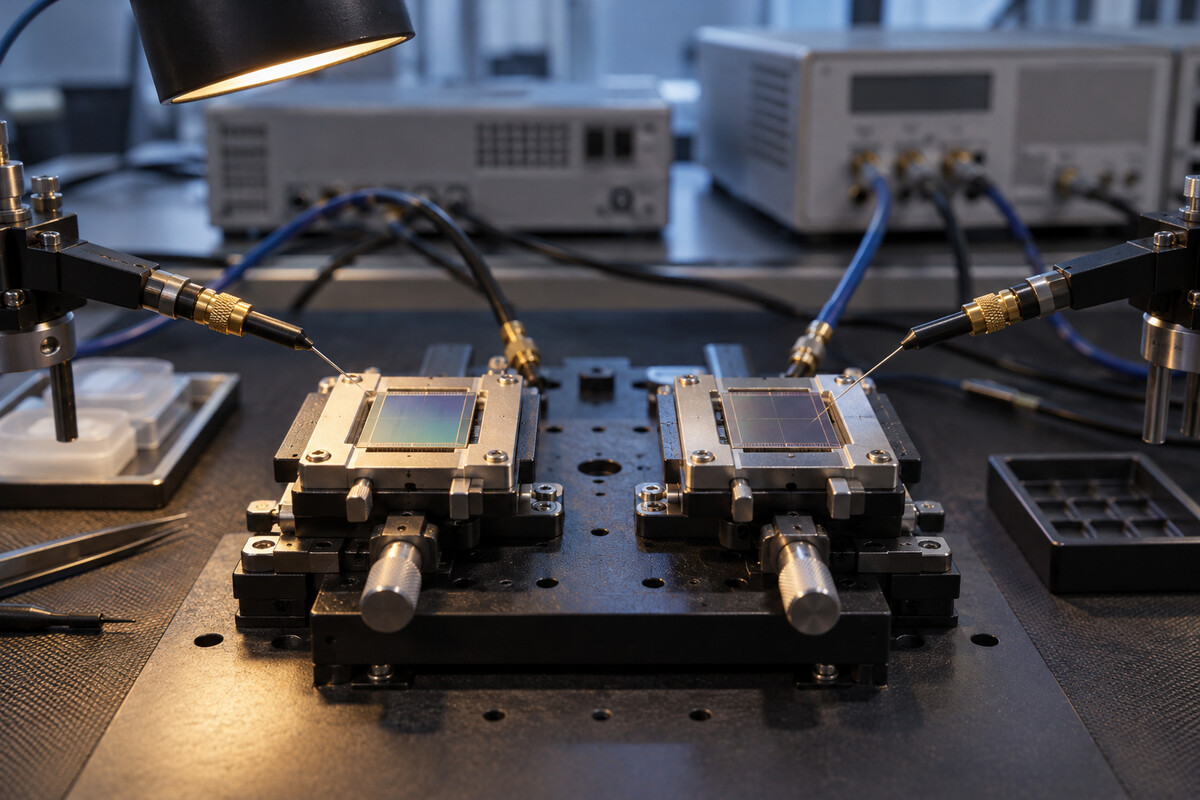
A prototype result becomes useful when another team can understand what decision it supports. 24x7 Up News develops that principle from a November 2024 report about silicon microstrip sensors intended for SKIF and detectors undergoing tests. The source identifies a comparison of current–voltage characteristics, but does not publish a complete qualification record. Development, evaluation and acceptance for routine use therefore remain separate stages. The article’s wider framework explains the evidence needed to interpret a comparison rather than supplying undisclosed measurements from the reported project.
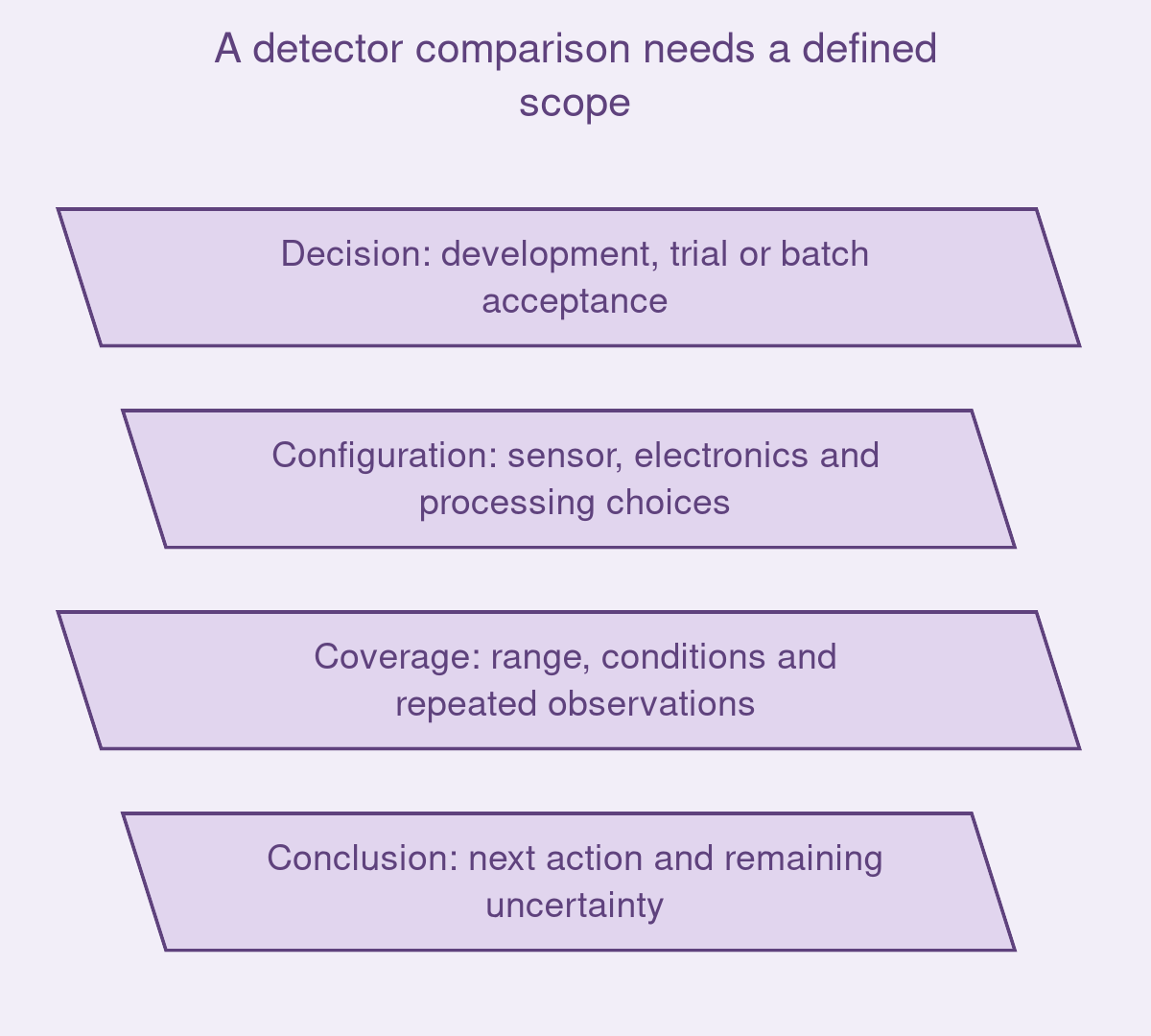
The first boundary concerns the intended decision. Evidence sufficient to justify another prototype may not be sufficient for installation or acceptance of a production batch. A test should identify the property, conditions and relevant configuration before its result becomes an answer. A sensor is also only one part of a chain containing connections, electronics, software and processing choices. Differences between outputs cannot automatically be assigned to the sensor if other elements changed. A configuration record makes those influences inspectable and helps determine whether a later modification requires another check.
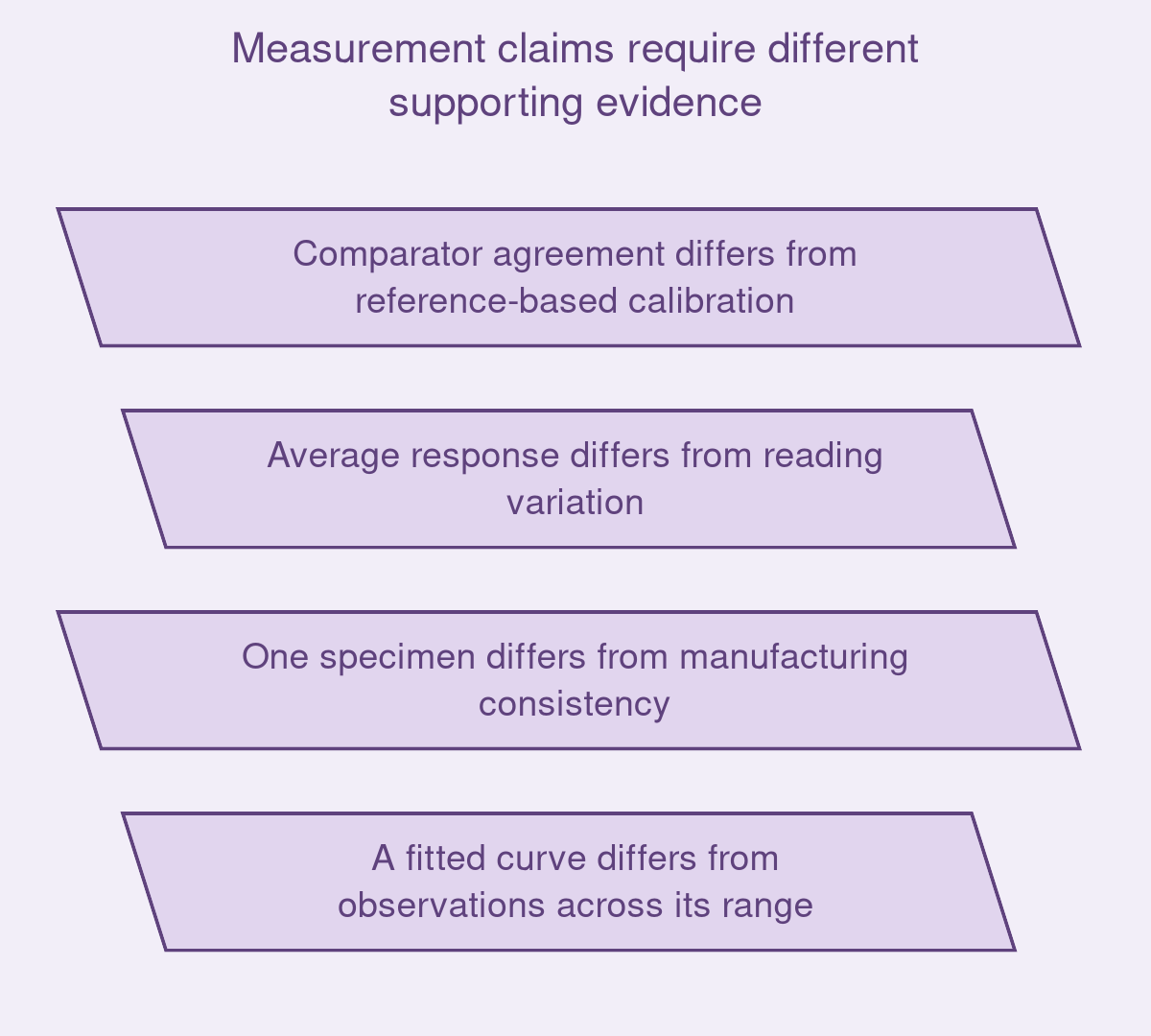
A comparator and a reference base answer different questions. Agreement with an established device may be valuable without establishing an absolute measurement or eliminating shared influences. The article uses measurement-handbook principles to separate relative comparison from calibration. It similarly distinguishes average response from variation: a stable offset and fluctuating readings need different explanations. Its illustrative numbers are explicitly hypothetical, not observations from the sensor trials. A polished curve or a favorable average cannot replace evidence about tested range, repeated readings and the differences left unexplained by a model.
Time and aggregation add further limits. Testing devices at different stages of a session can combine device effects with changing conditions. An overall channel average can conceal behavior important to a particular application, while one successful specimen does not establish consistency across future production. The article proposes retaining timestamps, conditions, exclusions and reasons for processing choices. These are general evidence-design questions, not a universal experimental schedule prescribed for the reported detector. Their purpose is to make limitations visible rather than extend a narrow observation to untested endpoints or configurations.
The handover should preserve the route from raw readings to the published conclusion. Units, device identifiers, software versions and analysis steps allow another competent reviewer to reconstruct the result. Acceptance criteria also need to say what next action is justified and what remains untested. The source’s useful contribution is this distinction between a repeatable comparison method and an automatically transferable device claim. A prototype can represent meaningful progress while still requiring evidence for a different application, production population or later configuration. That clarity gives the achievement a stronger basis than an unsupported claim of universal replacement.


Comments
Post a Comment